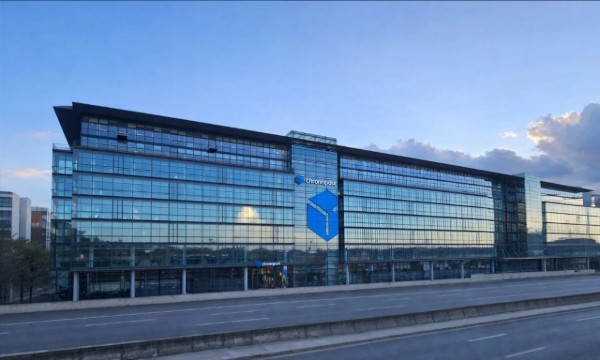
Rising distressed sales highlight economic pressures and opportunities for value-add strategies.
The surge in distressed office sales, as evidenced by over $808 million in transactions early in 2026, highlights significant shifts in the commercial real estate landscape.
This trend is driven by persistent economic challenges and high vacancy rates, prompting investors to target these properties for potential turnaround opportunities.
According to The Real Deal, distressed office sales in the U.S.
reached over 200 transactions in 2025, totaling $5.2 billion, with a notable 25% year-over-year increase in early 2026.
High-profile transactions underscore this trend, such as Marc Calabria's purchase of a Chicago building for $4 million, a stark contrast to its $68.1 million valuation a decade ago, and Asher Luzzatto's acquisition of a Denver complex for $5.3 million, down from $176 million in 2013.
These transactions suggest a strategic pivot towards value-add strategies, where investors aim to reposition and redevelop these assets to align with current market demands.
The significant discount on these properties presents an attractive entry point for investors looking to capitalize on potential market recoveries.
However, this strategy is not without risks.
The high vacancy rates and ongoing economic pressures that initially led to these distressed sales could pose challenges in achieving successful turnarounds.
Additionally, the cost and complexity of redevelopment projects may impact the feasibility and profitability of these investments.
In the broader market context, the bull case for distressed office sales lies in the potential for economic recovery and increased demand for office space, which could enhance property values post-redevelopment.
Conversely, the bear case centers on the possibility of prolonged economic stagnation and shifts in work patterns, such as remote work, which could sustain high vacancy rates and limit the success of redevelopment efforts.
Investors must weigh these factors carefully as they navigate the evolving commercial real estate market.
End of Subtopic Analysis · 6 Stories